
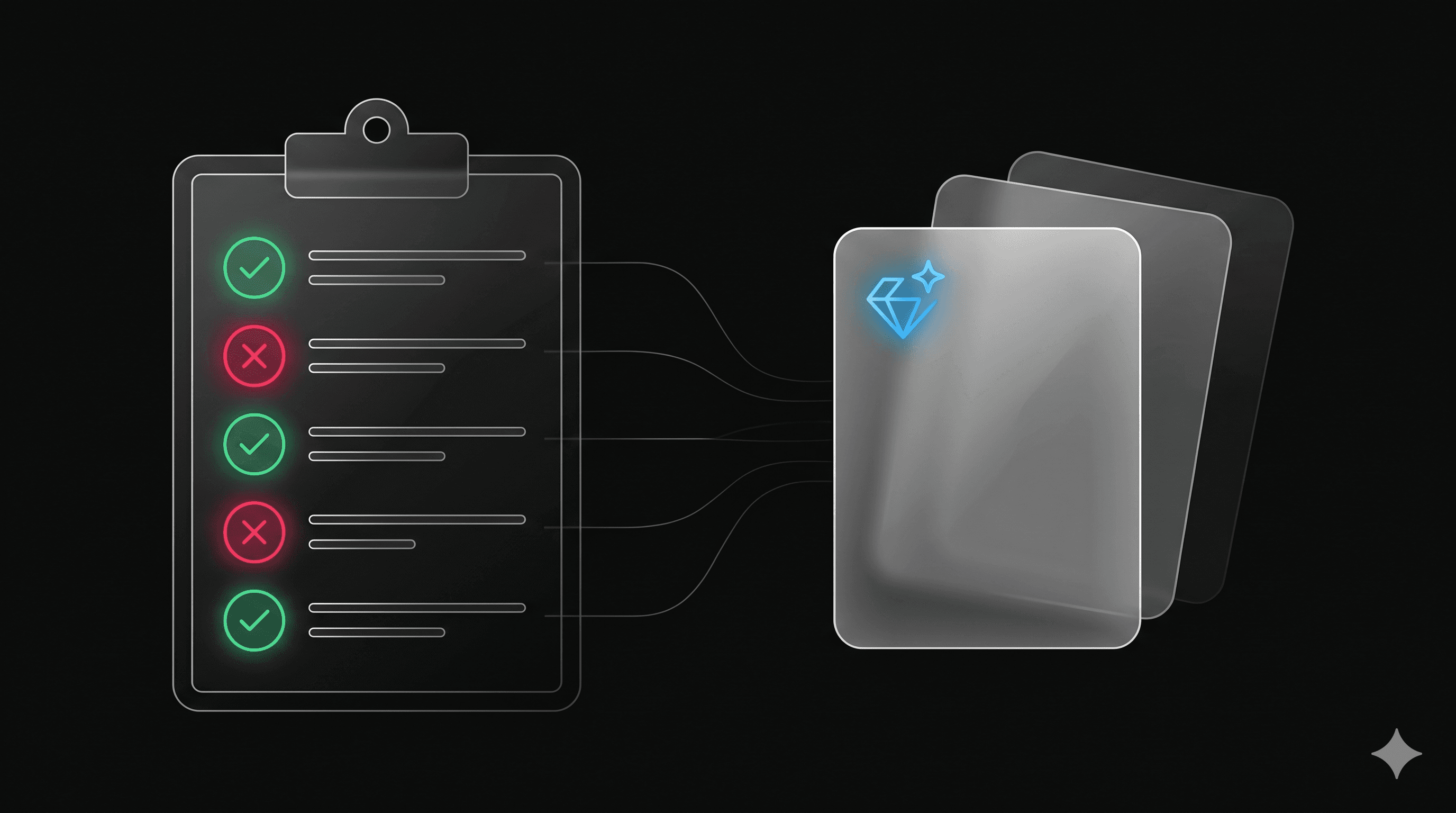
the hiring problem
you need an app built. you don't have an in-house development team. so you need to hire an agency or a freelancer.
the market is full of options. agencies in Lebanon, Dubai, India, Eastern Europe, Latin America. freelancers on Upwork. dev shops that promise anything. the challenge isn't finding options. it's knowing which one will actually deliver.
after a decade of working in this space (and cleaning up projects that went wrong with other agencies), here's what we've learned about what separates good agencies from bad ones.
red flag 1: they start coding immediately
if an agency's first instinct is to start writing code, run.
the single biggest predictor of project failure is skipping the design and planning phase. good agencies spend the first few weeks understanding your business, your users, and your product requirements. they produce wireframes, user flows, and prototypes before any code is written.
agencies that skip this step aren't saving you time. they're deferring expensive problems to the development phase, where fixing them costs 5 to 10 times more.
what to look for instead: an agency that has a structured discovery or design phase at the start of every project. at maxiphy, this is our 30-day design sprint. other good agencies have their own version. the format matters less than the principle: understand before you build.
red flag 2: they can't show you similar work
"we can build anything" is not a credential. it's a warning sign.
ask for case studies. not just screenshots, but the story: what was the client's problem? what was the approach? what were the results? did the product ship? is it still live?
if an agency can't show you 3 to 5 projects similar to yours, they're learning on your budget.
what to look for instead: a portfolio of shipped products. live links you can click. case studies that explain the process, not just the final UI. bonus points if they can connect you with a past client who will vouch for them.
red flag 3: vague estimates
"it will cost between $10,000 and $100,000 depending on the scope."
that's not an estimate. that's a range wide enough to be useless.
vague estimates usually mean one of two things: the agency doesn't understand your project well enough to quote it, or they're intentionally leaving room to expand the scope (and the bill) later.
what to look for instead: a structured quoting process. good agencies will invest time in understanding your project before quoting. they'll break the estimate into phases with clear deliverables. they'll tell you what's included and what's not. the estimate might still have a range, but it should be narrow enough to be useful for planning.
red flag 4: no design in the team
many development agencies outsource design or skip it entirely. the result is products that work technically but are painful to use.
design and development need to be tightly integrated. the designer needs to understand technical constraints. the developer needs to understand design intent. when design is outsourced to a separate company or handled by the developer ("I'll make it look nice"), the product suffers.
what to look for instead: an agency with designers and developers on the same team. ideally, the same people who design the product are involved in developing it. this eliminates the handoff gap where intent gets lost.
the highest-risk moment in any app development project is the handoff from design to development. agencies that handle both under one roof eliminate this risk.
red flag 5: fixed scope, fixed price, no flexibility
software development is not construction. you can't blueprint every detail upfront and expect zero changes during the build.
agencies that insist on a rigid fixed-scope contract are setting up a conflict of interest. when requirements change (and they will), either the scope gets cut to fit the budget, or the budget gets expanded to fit the scope. both create friction.
what to look for instead: a phased approach. design sprint first (fixed scope, fixed price). then development in phases, each with clear deliverables and a review point. this gives you exit ramps. if the agency isn't delivering, you can pivot after any phase without losing everything.
what good agencies do differently
they say no
a good agency will tell you when your idea needs work before development. they'll push back on features that don't serve the user. they'll recommend a simpler MVP when you're overscoping. this feels frustrating in the moment, but it saves you money and time in the long run.
they communicate consistently
weekly updates. shared project boards. regular demo sessions. a dedicated project manager or point of contact. you should never have to chase your agency for status updates.
they own the outcome
good agencies don't just deliver code. they deliver a working product. that means handling deployment, testing, bug fixes, and the inevitable adjustments that come after real users start using the product.
they're transparent about limitations
no agency is perfect at everything. a good agency will tell you what they're strong at and where they might need support. that's more trustworthy than an agency that claims expertise in every technology, every platform, and every industry.
the interview checklist
when evaluating agencies, ask these questions:
- what does your typical project process look like, from start to finish?
- can you show me 3 case studies of products similar to mine?
- do you have designers and developers on the same team?
- how do you handle scope changes during development?
- what's your tech stack and why?
- who will be my primary point of contact?
- what happens after launch? do you offer ongoing support?
- can I talk to a past client?
the answers to these questions will tell you more than any sales pitch.
the bottom line
the right development agency saves you months and significant money compared to the wrong one. the wrong one costs you both plus the stress of managing a failing project.
invest time in the selection process. check portfolios. ask hard questions. start with a small engagement (like a design sprint) before committing to a full development contract. and trust your instincts. if something feels off during the sales process, it won't get better during the project.
if you're looking for an app development agency and want to see how we work, book a discovery call. no pitch. just an honest conversation about your project.