
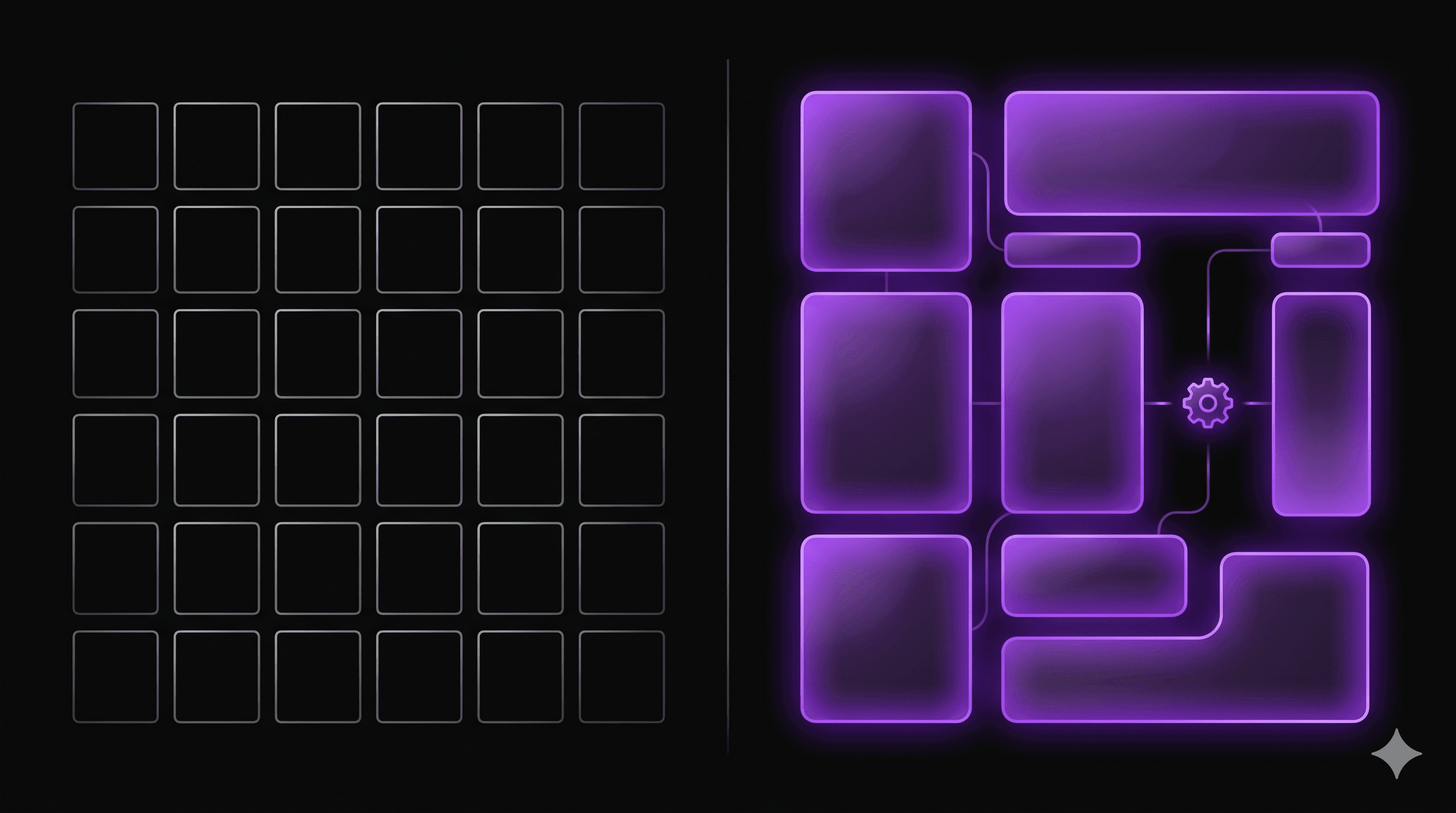
the build vs. buy decision
at some point, every growing business faces this question: should we use existing software, or build our own?
the answer is never obvious. off-the-shelf tools are fast to deploy and well-tested. custom software fits your exact workflow. both have real costs. both have trade-offs. and the wrong choice can set your operations back by months.
after building custom platforms for businesses across Lebanon, Dubai, and the GCC for over a decade, here's how we think about it.
when off-the-shelf works
generic software works well when your needs are generic. if your workflow matches what the tool was designed for, buying is almost always the right call.
use off-the-shelf software when:
- the problem is well-defined and common (email, accounting, project management)
- you don't need deep integration with other internal systems
- the tool covers 80% or more of your requirements
- you have a small team and limited budget
- time-to-deploy matters more than long-term fit
tools like Slack, QuickBooks, Notion, and Shopify exist because certain problems are universal enough that one solution works for millions of users.
when off-the-shelf breaks
the problems start when your workflow doesn't match the tool's assumptions. and every tool has assumptions baked into its design.
signs you've outgrown generic software:
- you're working around the tool. spreadsheets fill the gaps. manual processes exist because the software doesn't handle your edge cases. your team has developed "workarounds" that everyone knows but nobody likes.
- you're paying for features you don't use. enterprise pricing for a feature set that's 30% relevant to your business.
- integration is a nightmare. data lives in five different tools. nothing talks to each other. your team spends hours on data entry that should be automated.
- the tool shapes your process instead of the reverse. you've changed how your business operates to fit the software, not the other way around.
- you've hit the customization ceiling. the API doesn't expose what you need. the plugin ecosystem doesn't have what you're looking for. the vendor's roadmap doesn't include your requirements.
the hidden cost of off-the-shelf software isn't the subscription fee. it's the operational friction your team absorbs every day because the tool doesn't fit how they actually work.
what custom software actually costs
custom software has higher upfront costs and lower long-term costs. the math depends on your scale and timeline.
| factor | off-the-shelf | custom |
|---|---|---|
| upfront cost | low (subscription) | high (development) |
| monthly cost | ongoing subscription | hosting only |
| customization | limited | unlimited |
| integration | depends on APIs | built to your stack |
| ownership | vendor owns it | you own it |
| switching cost | low initially, high later | n/a (you own it) |
the break-even point varies, but for most businesses with 10 or more users, custom software pays for itself within 18 to 24 months compared to enterprise SaaS subscriptions.
the hybrid approach
the smartest move is often a combination:
keep off-the-shelf for:
- communication (Slack, email)
- accounting and finance
- HR and payroll
- anything where compliance matters and vendors handle updates
build custom for:
- your core business operation (the thing that makes you money)
- internal workflows that are unique to your team
- customer-facing experiences that define your brand
- data systems that need deep integration across your stack
this is the approach we see working best. a company keeps Slack and QuickBooks, but builds a custom CRM because their sales process is unique. or they keep Shopify for basic ecommerce but build a custom WMS because their warehouse workflow has specific requirements no off-the-shelf tool handles.
how custom software development works at maxiphy
every custom software project follows the same structure:
1. discovery sprint (1 week) we map your current workflow, identify pain points, interview your team, and define what the software needs to do. this isn't a requirements document. it's a deep understanding of how your business actually operates.
2. design sprint (3 weeks) we design the full system: every screen, every flow, every interaction. your team reviews the prototype and tests it before any code is written. this is where we catch 90% of the assumptions that would have caused problems in development.
3. development (varies by scope) with a validated design, our engineering team builds the system. web applications in Next.js, mobile apps in React Native, backends in NestJS with PostgreSQL. clean code, proper architecture, built to scale.
4. deployment and iteration we deploy to your infrastructure, train your team, and stay close for the first few weeks. real usage always surfaces things that need adjustment.
the bottom line
off-the-shelf software is the right choice when your needs are standard. custom software is the right choice when your workflow is your competitive advantage.
if you're spending more time working around your tools than working with them, it might be time to build something that actually fits. book a discovery call, and we'll help you figure out which parts of your stack should be custom and which should stay off-the-shelf.